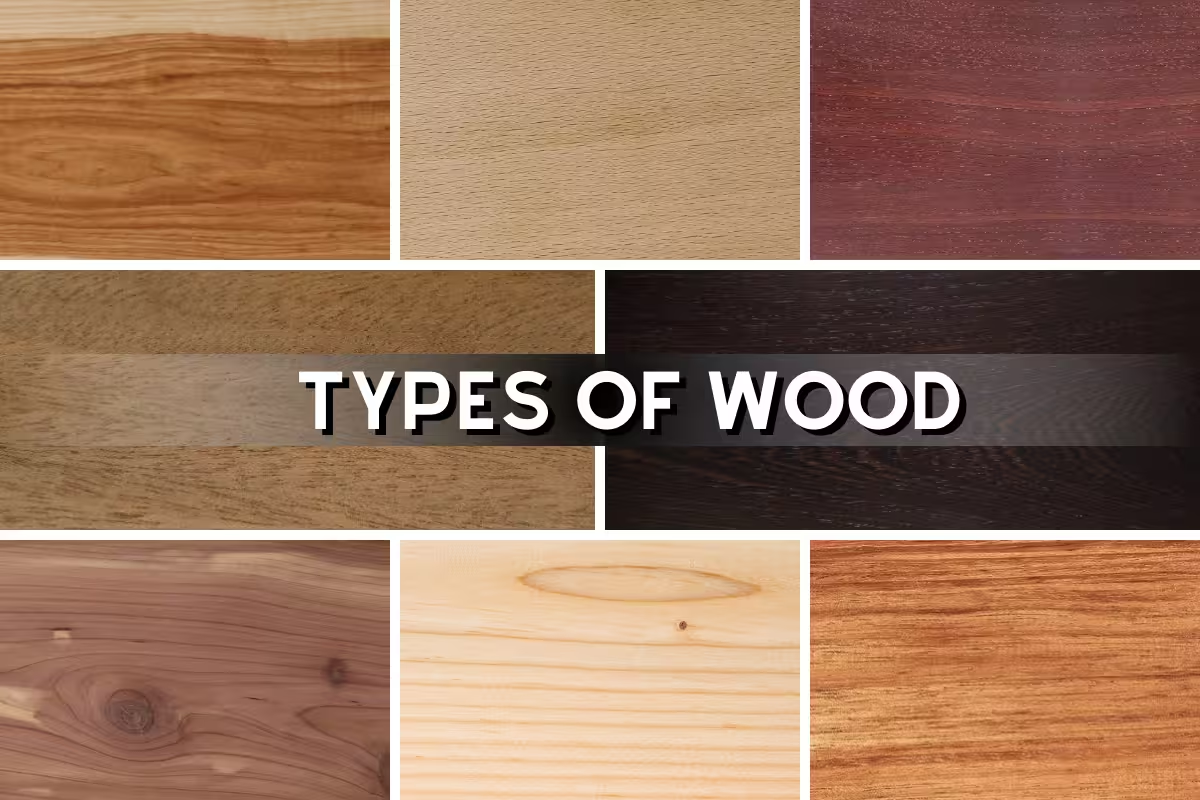
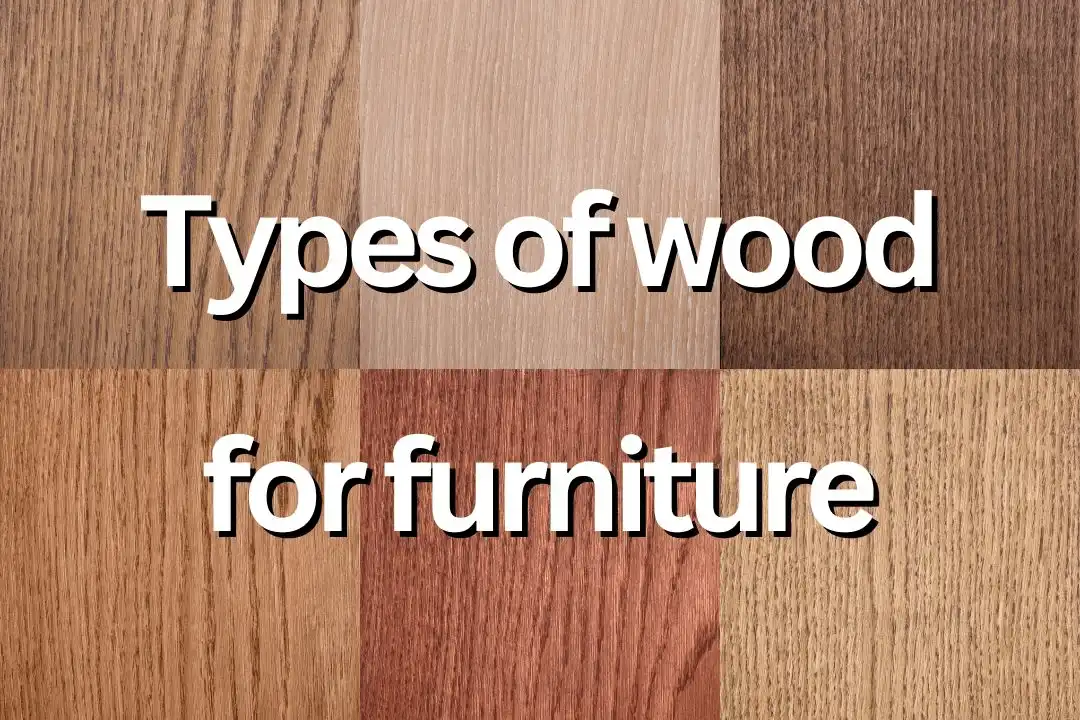

The main types of wood for furniture are hardwoods (oak, maple, walnut, cherry), softwoods (pine, cedar, fir, spruce), and engineered woods (plywood, MDF, particle board). The right pick depends on denting resistance, grain/porosity, movement with humidity, finish goals, and budget.
Table of Contents
If you want a quick default: choose white oak for most everyday furniture, hard maple for high-wear surfaces, walnut for premium dark color, and pine for low-cost rustic pieces—then match the finish to the wood’s pore structure and blotch risk.
Types of wood for furniture: quick answer
Buyers usually want a fast shortlist. These picks balance durability, looks, and how forgiving the wood is when you spill coffee, drag a plate, or bump a chair leg into it.
Best all-around picks
For daily-use furniture, you want balanced hardness and predictable finishing. Oak and hard maple stay stable in normal indoor humidity swings and take common topcoats well.
- White oak: great for tables, cabinets, and legs; less fussy than many open-pore woods once sealed
- Red oak: similar look at a friendlier cost; a little more open-grained
- Hard maple: strong choice for desktops and dressers that get slid, wiped, and bumped
Best for budgets
Budget woods can still last if the design avoids weak joints and you pick a finish that prevents fiber crushing and stains. Expect more dents, especially on softwoods.
- Pine: easy to work and widely available; dents show fast on tabletops
- Poplar: paints cleanly; often used for frames and hidden parts (poplar wood)
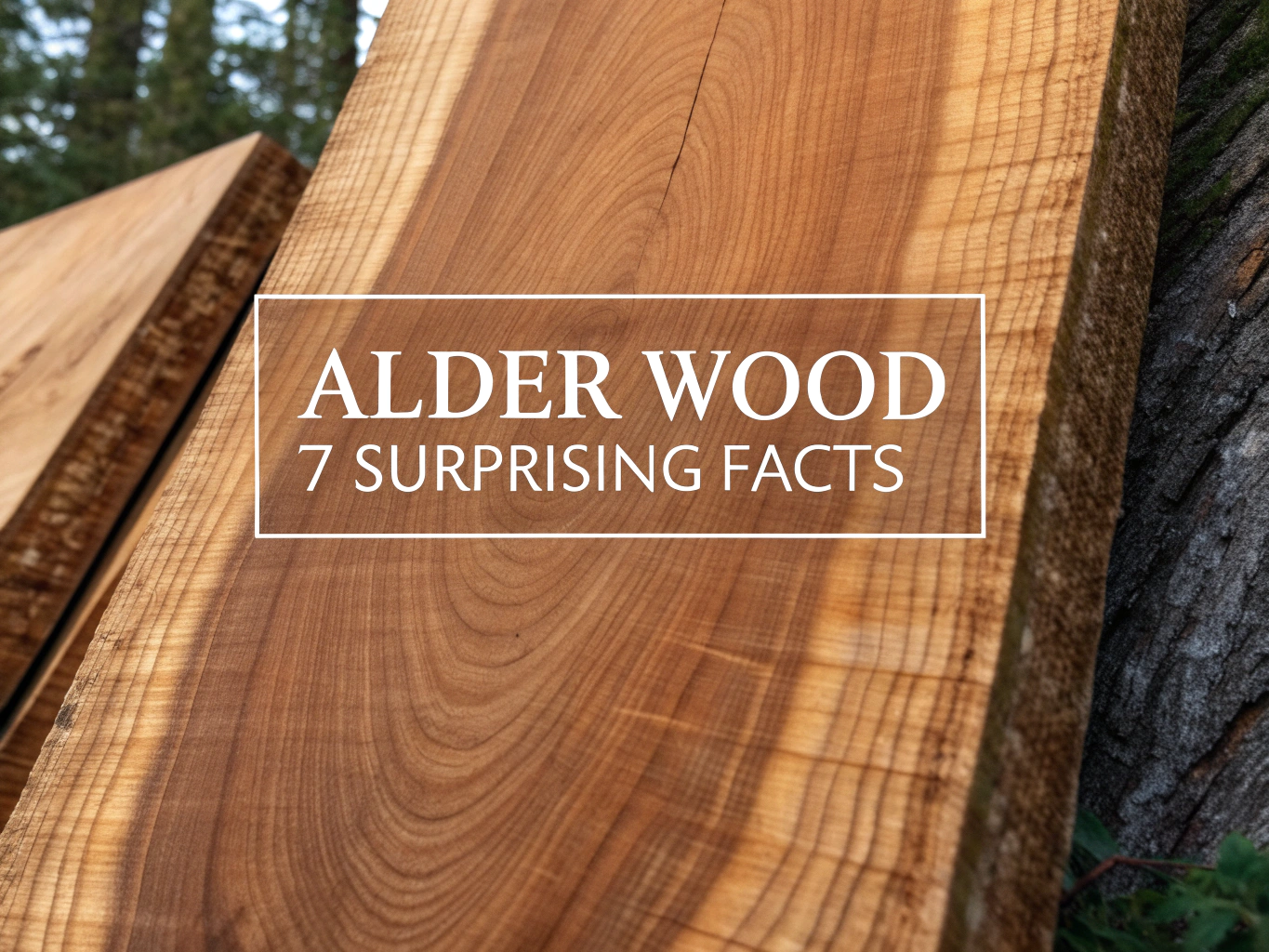
- Alder: stable “soft hardwood” feel; great for budget cabinets and painted builds
- Birch plywood: strong panels that resist seasonal movement better than solid boards
Best for premium looks
Premium woods win on color depth and grain character. They also punish mistakes: blotchy stains, glue squeeze-out, and uneven sanding show up more under clear coats.
- Walnut: rich brown and finishes beautifully with oils (walnut wood)
- Cherry: warm tone that darkens with light exposure (cherry wood)
- Mahogany: classic fine grain; stable for casegoods (mahogany wood)
Hardwood vs softwood basics
Key takeaway: “Hardwood” and “softwood” describe the tree type more than how hard the board feels. In furniture, what matters is pore structure, density, movement, and how the wood behaves under finish and fasteners.
Tree types
Hardwoods come from deciduous trees (broadleaf), while softwoods come from conifers (often evergreen). That origin affects grain anatomy, which affects how stain soaks and how glue joints hold over time.
Grain structure
Many hardwoods are porous and have visible vessels (think oak’s open grain). Softwoods are typically non-porous with a more uniform texture, which can look clean but can also dent and compress around screws.
If you’re matching aesthetics, learn the basics of grain direction and pattern so your panels and legs look intentional (wood grain pattern).
Density differences
Density drives a lot: denting resistance, weight, and how crisp edges stay after years of use. Density also changes how “cold” or “warm” a piece feels to the touch; denser woods often feel smoother and cooler under your palm after sanding.
Use density as a planning tool for shipping weight, wall anchoring, and drawer slide selection (density of wood).
Typical furniture uses
Hardwoods dominate tabletops, chair parts, and cabinet face frames where wear is real. Softwoods show up in rustic builds, painted pieces, and internal structures where cost and weight matter more than long-term surface durability.
| Category | What you’ll notice in furniture | Common uses |
|---|---|---|
| Hardwoods | Visible pores (varies), heavier feel, better dent resistance | Tables, chairs, cabinet doors, frames |
| Softwoods | Softer fibers, lighter weight, dents and edge dings show faster | Rustic tables, bed slats, painted furniture, hidden framing |
| Engineered | Flat panels, predictable thickness, stable in wide sizes | Cabinet boxes, shelves, painted doors (MDF), budget furniture |
Hardwood vs softwood in furniture use cases
Key takeaway: The “best” wood changes by part. A tabletop wants dent resistance; a cabinet side wants panel stability; a carved leg wants clean grain that won’t crumble at the edges.
Tables and desks
Desktops and dining tops take the most abuse: dragged ceramics, grit under placemats, and repeated wiping. Woods above roughly 1000 Janka hold up better, but finish choice still decides whether you’ll see white water rings or shiny rub spots.
- Great: hard maple, white oak, hickory
- Good: walnut (dents less than many expect, but edges can still bruise)
- Risky: white pine (you’ll see spoon dents and fingernail marks fast)
Chairs and frames
Chairs fail at joints before they fail at surfaces. Pick wood with good screw holding and strong long-grain glue surfaces, and avoid weak short-grain sections at the back leg transition.
- Best choices: oak, maple, beech, ash
- Watch-outs: softwoods can split at fasteners unless you pre-drill and use the right screws
Cabinets and casegoods
Wide cabinet sides and shelves need panel stability. This is where plywood and veneered panels shine, because the cross-laminated structure cuts seasonal cupping compared with solid wood glued into large sheets.
If you’re planning cabinet boxes, start with engineered wood basics so you don’t overpay for the wrong core (engineered wood).
Carved details
Carving needs grain that cuts clean and doesn’t tear out. Walnut and cherry give that buttery cut feel under a sharp gouge, while oak’s open pores can chip at thin edges if tools aren’t razor sharp.
Best hardwoods for indoor furniture
Key takeaway: If you’re buying one “good wood,” oak is the safe bet. If you’re building a high-wear top, hard maple wins. If you’re chasing luxury color, walnut and cherry are the usual picks.
Oak
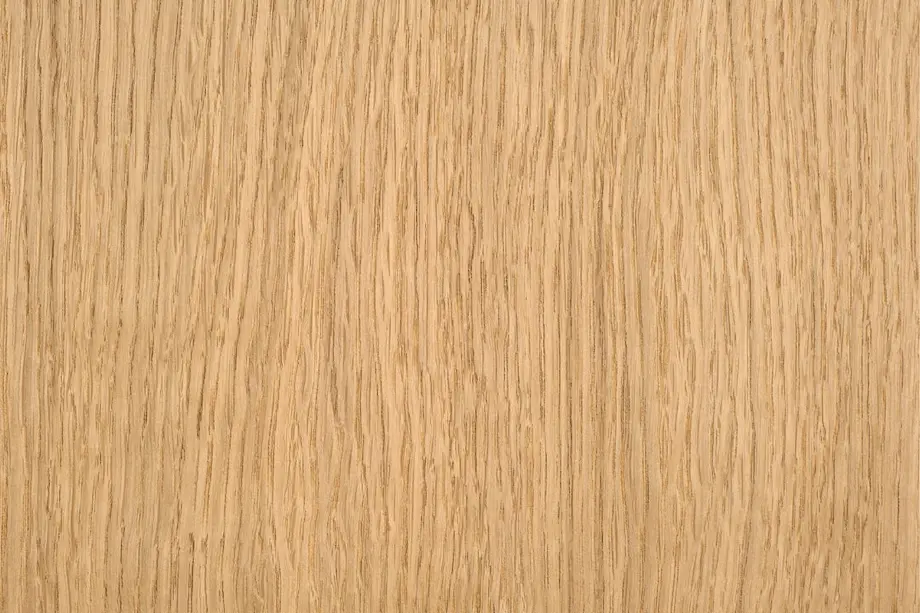
Oak is the workhorse: strong, widely available, and easy to repair. Its open grain gives tactile texture—run your fingertips across a lightly filled oak top and you’ll feel tiny valleys where pores sit under the finish.
For a deeper species breakdown by project type, see red oak wood and white oak wood.
Maple
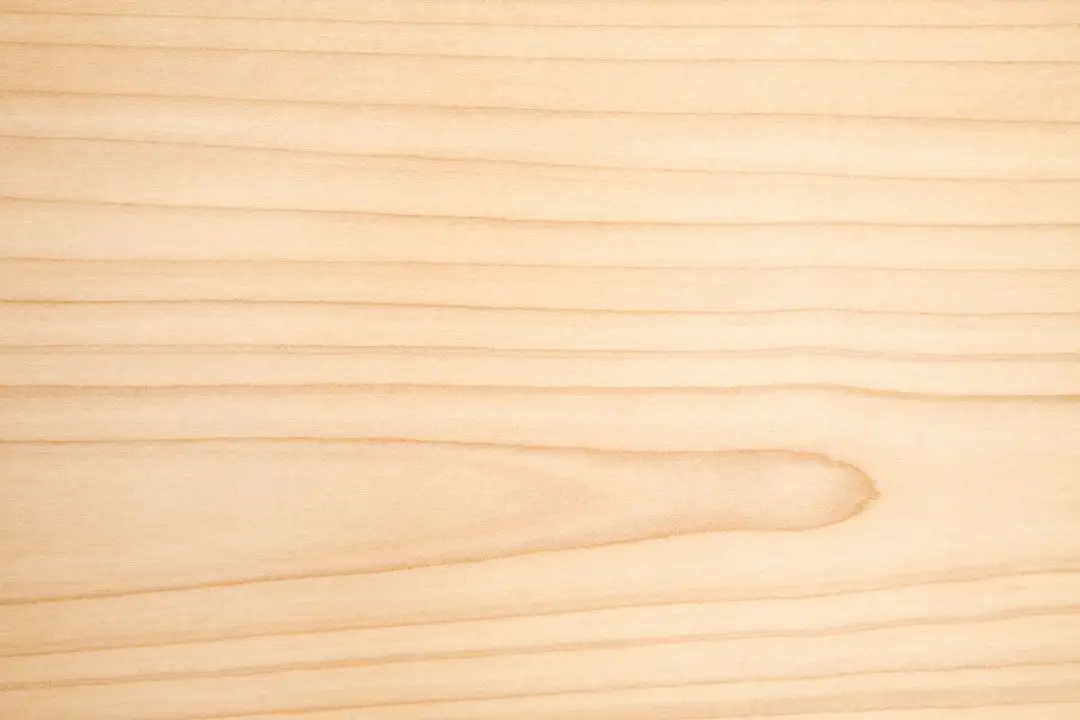
Hard maple is a top pick for dressers, desks, and cabinets that get constant hand contact. Sanded maple can feel almost glassy, but it can also burn under power sanding, leaving faint brown shadows that jump out under clear finish.
Use a pre-conditioner or a dye-first plan if you want consistent color (maple wood).
Walnut
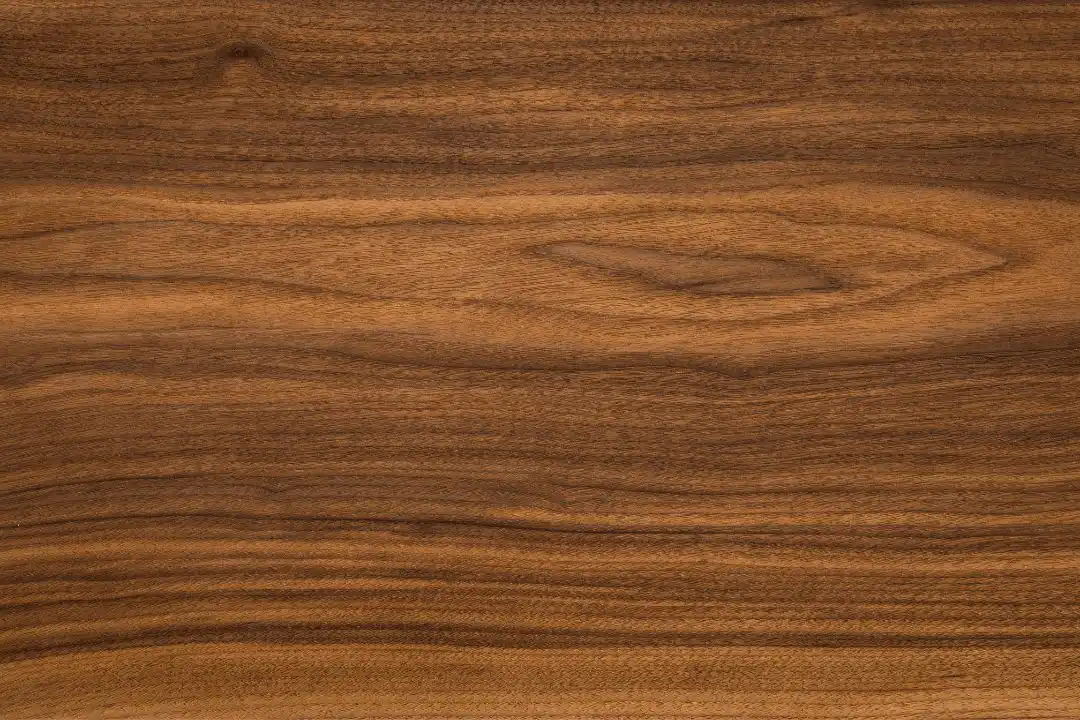
Walnut reads premium in almost any room because the natural brown has depth even before finish. It’s also forgiving for touch-ups: a fresh wipe of oil can blend light scratches that look glaring on glossy painted surfaces.
Cherry
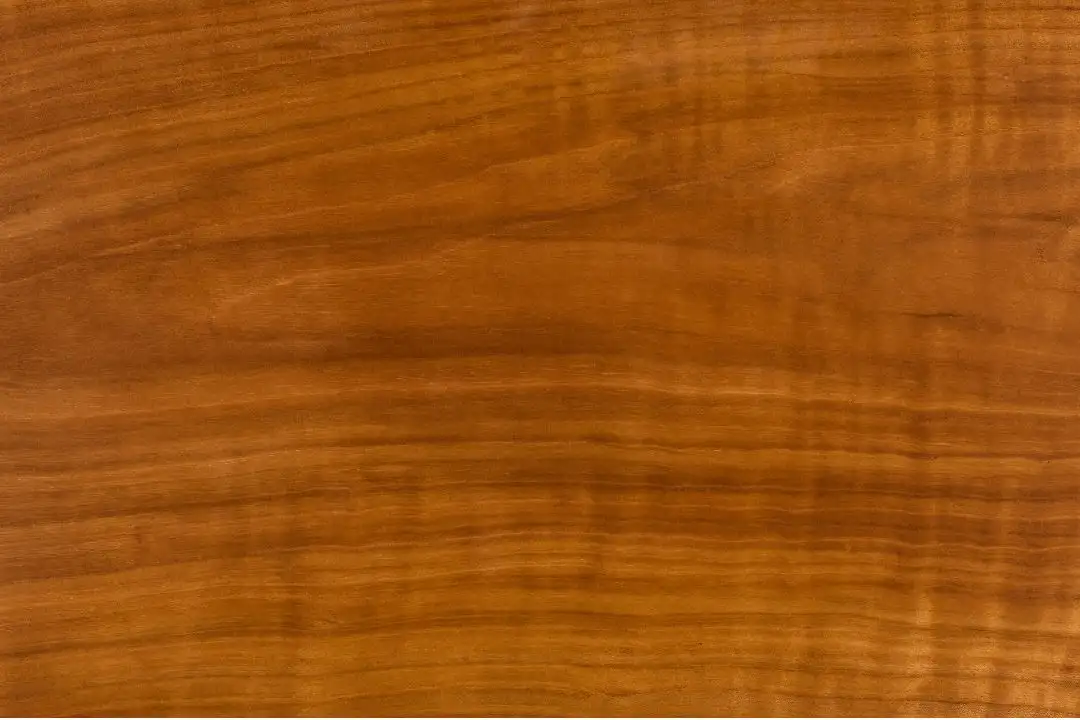
Cherry is famous for color shift. A new cherry top can start pinkish; after sunlight exposure it turns richer and darker, so you’ll see “tan lines” where a runner or decor sat for months.
Oak furniture wood options
Key takeaway: Red oak is more porous and often more affordable; white oak is tighter-grained and resists moisture better. Both hold fasteners well and work for tables and cabinets.
Red oak
Red oak sits around 1290 lbf on the Janka scale in common references, which is plenty for dining tops and chair parts. Its open pores can wick stain fast, so you’ll want a grain fill plan if you want a smooth “piano-flat” clear coat.
Source: Octane Seating – types of wood for furniture.
White oak
White oak is often referenced around 1360 lbf Janka. In real furniture, the bigger difference you’ll notice is the tighter pore structure that makes it less “thirsty” and a bit more forgiving around spills once sealed.
Grain and durability
Oak’s grain is a style statement. If you love strong lines and ray fleck, you’ll like quartersawn cuts; if you want quieter grain, riftsawn can read cleaner in modern rooms while keeping oak toughness.
If you’re matching colors across pieces, reference a clear guide to wood color families so stains don’t turn orange or muddy (colors of wood).
Common applications
Common oak uses include dining tables, bed frames, cabinet doors, and desks. Oak also makes sense for furniture that gets moved and bumped, since corners stay sharper than many softer species.
Maple furniture wood options
Key takeaway: Hard maple is a high-wear favorite; red maple is softer and often easier to stain evenly. Maple’s biggest “gotcha” is blotching and burn marks under clear finish.
Hard maple
Hard maple is commonly cited around 1450 lbf Janka. That shows up in real life when you slide a ceramic mug: you’re less likely to see the tiny crescent dents that appear quickly on softer woods.
Source: Room Concepts – best wood species for furniture.
Red maple
Red maple is often placed around 950 lbf Janka in many charts. It still works great for dressers and nightstands, and it can be a smarter choice when you want a lighter-weight piece or you plan to paint.
Stain behavior
Maple can go blotchy because some areas absorb stain faster than others. A pro workaround is to use a dye first approach, then seal, then glaze for depth—rather than rubbing pigment stain directly onto raw maple and hoping it evens out.
If you want a deeper dive into what hardness numbers mean before you pick stains and topcoats, see wood hardness scale.
Amish furniture use
Amish furniture commonly uses maple and oak for a reason: they machine cleanly and hold joinery well. In day-to-day use, you’ll notice maple stays smoother feeling at edges and corners, while oak keeps its textured grain character even under thicker finishes.
Walnut and cherry for furniture
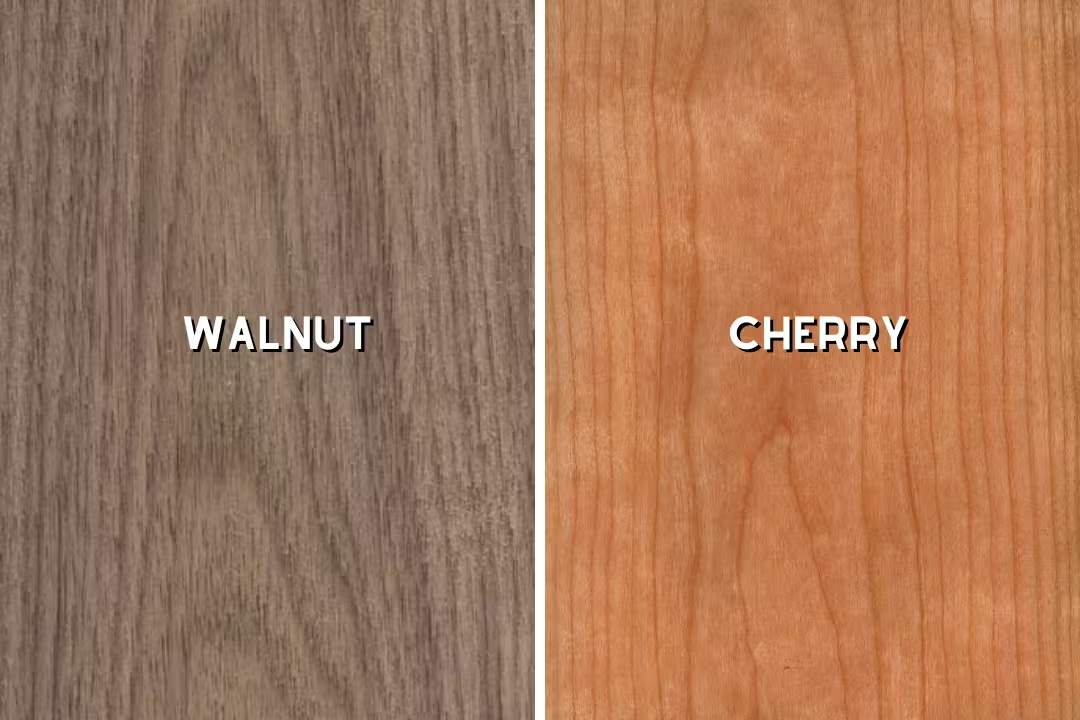
Key takeaway: Walnut gives instant luxury color and takes oil beautifully. Cherry “earns” its look over time through UV darkening, so matching boards and controlling light exposure matters.
Walnut characteristics
American walnut is often cited around 1010 lbf Janka, so it’s mid-range for hardness but high-end in appearance. It’s a favorite for headboards, dining tables, and carved accents because tools leave crisp lines without fuzzy fibers.
Walnut finishing
Walnut pops with oil: the brown deepens and the chatoyance shows under angled light. The risk is skipping a real topcoat barrier on a dining surface; oil alone can leave you with dull “dry spots” where hands and cleaning remove the sheen.
If you’re picking walnut mainly for dark tones, compare it against other dark species first (dark wood types).
Cherry aging color
Cherry darkens fast in sunny rooms. A real-world trick is to “pre-tan” parts by leaving boards in indirect sunlight before final assembly, so door fronts and face frames drift in color at a similar pace.
Premium pricing tier
Walnut and cherry usually sit in a premium tier versus oak and maple, especially in wide, clear boards. If you’re paying for premium color, inspect for sapwood placement; sapwood can be a design feature or a mismatch depending on the style.
For a broader sense of what drives pricing, see most expensive wood and cheapest wood.
Other popular hardwoods for furniture
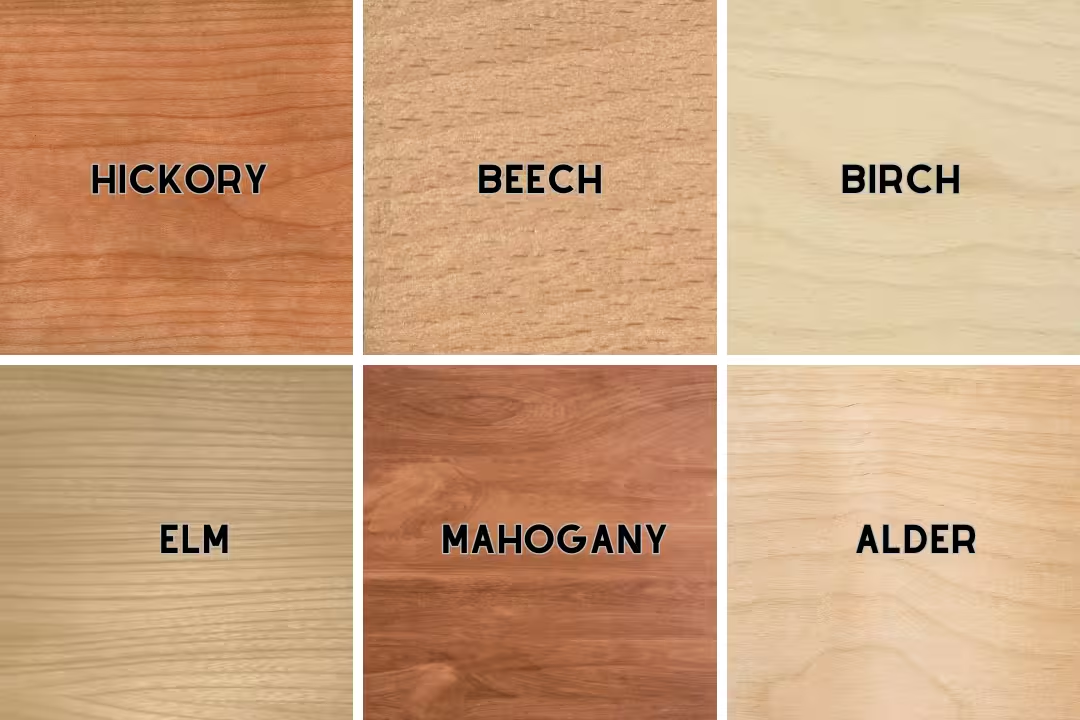
Key takeaway: These species fill practical gaps: hickory for maximum toughness, beech for chair joinery, birch for clean modern looks, elm for interlocking grain, mahogany for stable casework, alder for budget builds that still feel “solid.”
Hickory
Hickory is commonly listed around 1820 lbf Janka and feels that way when you sand it: it resists abrasion and can take longer to level. It’s a strong choice for chair rungs, work tables, and rustic pieces where contrast grain is welcome.
Beech
Beech is a classic for chairs because it bends and turns well. You’ll see it a lot in European chair parts where toughness and consistent grain beat flashy figuring (beech wood).
Birch
Birch (especially yellow birch) gives a fine, clean grain that suits modern furniture. It also shows sanding mistakes clearly under clear coats, so keep scratch patterns consistent before finishing.
Elm
Elm has interlocking grain that can fight splitting, which helps in parts that get racked or twisted. That same grain can tear out when planed, so sharp cutters and light passes matter.
Mahogany
Mahogany brings a classic, even grain that finishes smoothly and stays stable in large panels. It’s a frequent pick for casegoods and traditional designs where you want refined texture without loud grain lines.
Alder
Alder sits in a useful middle zone: easier on your budget than walnut/cherry, more “furniture-like” than many softwoods. It can dent, yet it’s stable and pleasant to sand, leaving a silky surface that takes paint and clear coats well.
Exotic woods for premium furniture
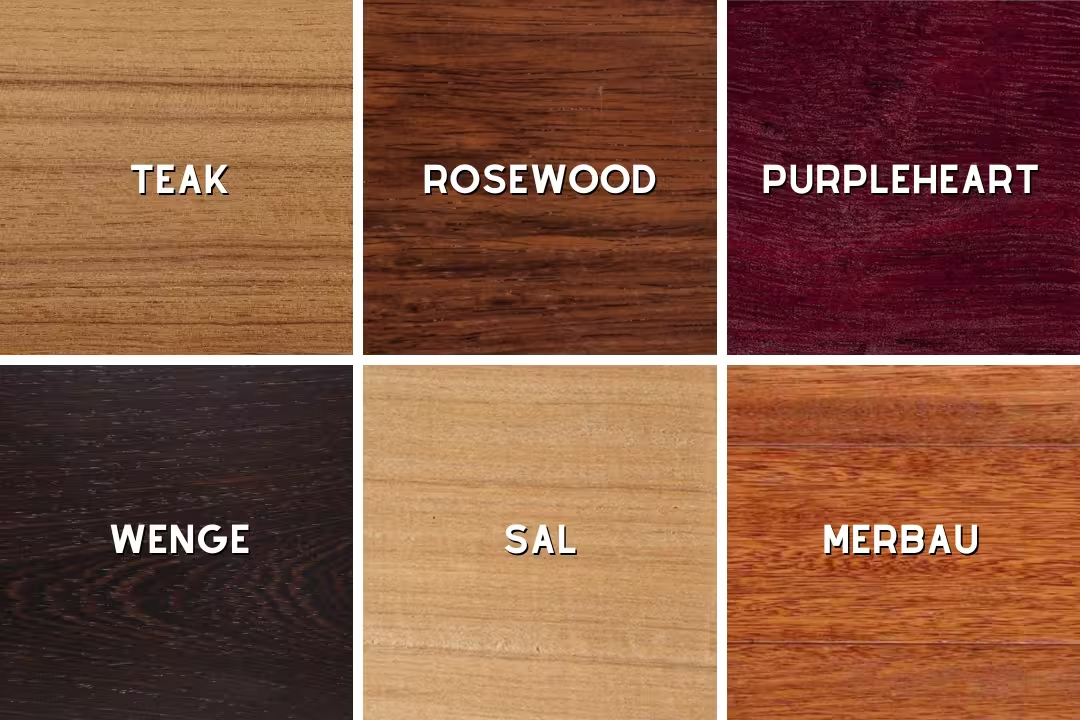
Key takeaway: Exotics can bring color and extreme hardness, but they also bring risk: movement surprises, finishing incompatibilities, and sourcing concerns. Plan for dust control and test finishes on offcuts before committing.
Teak
Teak is popular for outdoor furniture because its natural oils resist moisture and insects. Those same oils can reduce glue bond strength if you don’t wipe surfaces with solvent right before glue-up and use a suitable adhesive (teak wood).
Rosewood
Rosewood is prized for dramatic dark streaking and a dense feel. Expect a higher chance of finishing issues like adhesion loss with some film finishes unless you scuff sand and use a compatible sealer.
Purpleheart
Purpleheart is widely cited around 1860 Janka and can feel almost “metal-like” under sanding—hard, crisp, and slow to cut. Color can shift from purple to brownish with UV exposure, so a UV-inhibiting topcoat helps slow that change.
Wenge
Wenge has strong dark grain and splinters meanly; the splinters can feel like tiny needles that sting and break under the skin. Wear gloves when handling rough stock and ease edges early so you don’t get surprised during assembly.
Sal
Sal wood is used in structural contexts in parts of Asia and can be very strong. For furniture importing, watch moisture content; poorly dried sal can move a lot after it hits a conditioned home, opening miters and stressing panels.
Merbau
Merbau is dense and often stable, yet it can bleed tannins or extractives into some finishes. A seal coat test saves you from the nasty surprise of amber bleed-through on light topcoats.
Softwoods for budget and rustic furniture
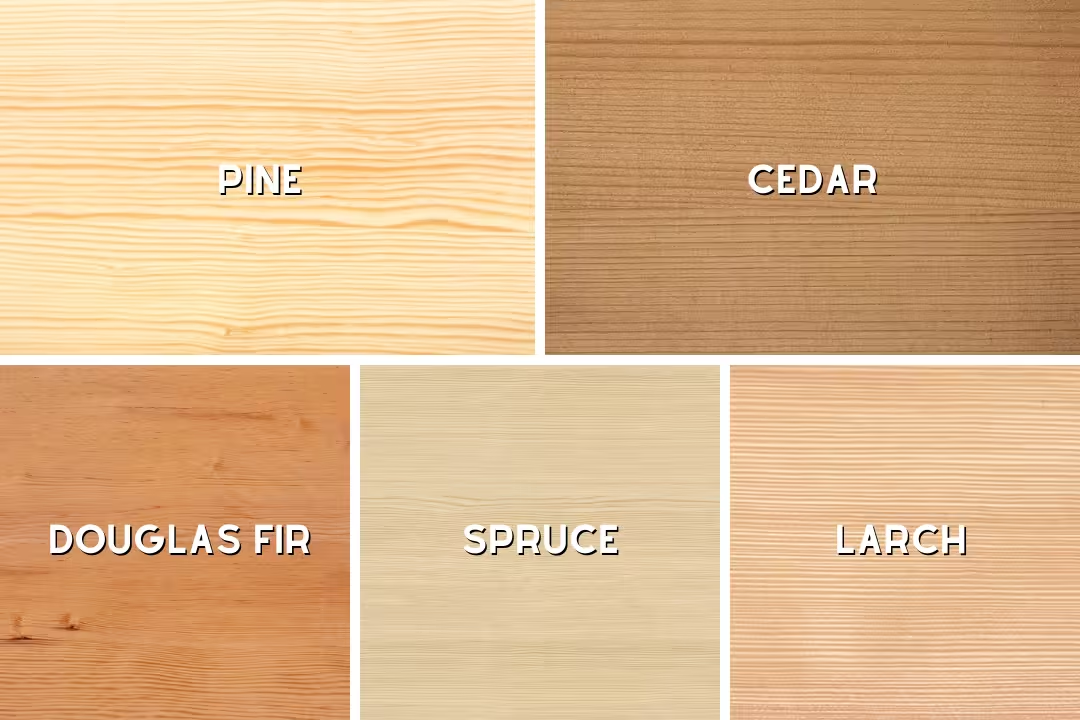
Key takeaway: Softwoods aren’t “junk,” but they dent fast. Use them where texture and character are welcome, and build in ways that let you refinish or live with patina.
Pine
Pine is a common starter furniture wood because it’s easy to cut and widely sold. The trade-off is surface bruising: you can literally feel a new dent as a shallow dip under your fingertips after a dropped spoon.
Cedar
Cedar smells sharp and pleasant when cut, and it’s naturally insect-resistant, which is why it shows up in chests and closets. For furniture, it’s best for low-wear parts because it’s soft and dents easily.
Douglas fir
Douglas fir is stiffer than many softwoods, which helps for long spans like bed rails and some structural frames. It can splinter on crosscuts and can look blotchy under stain unless you seal first.
Spruce
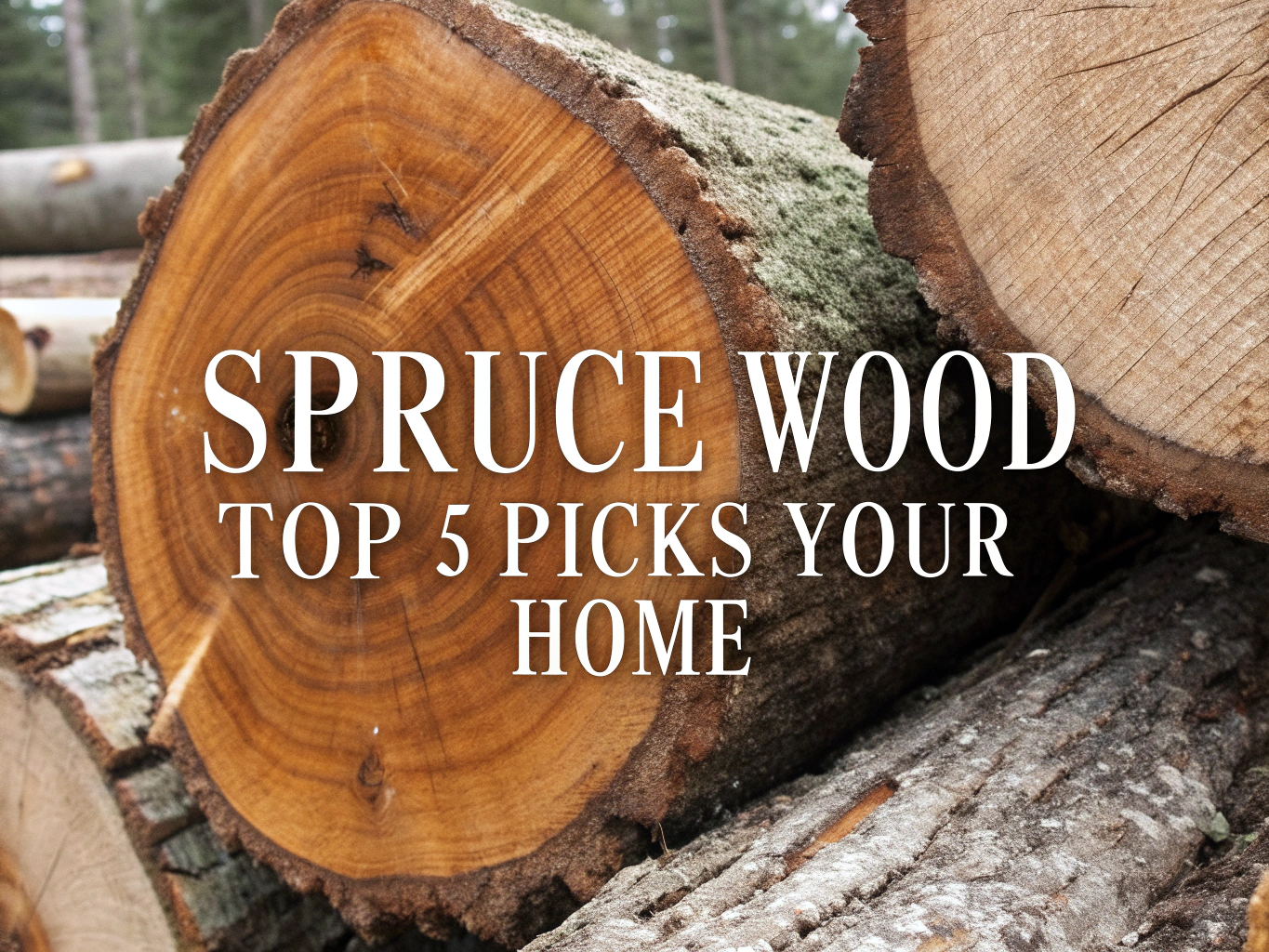
Spruce is light and usually straight-grained, which makes it predictable for internal framing. It’s a poor pick for a dining top unless you want fast patina and you’re fine seeing every bump as a memory.
Denting risk
Denting is the #1 complaint with softwood furniture. A pro workaround is to choose a textured finish (wire-brushed look) or a lower-gloss topcoat so dents read as character instead of damage.
Wood density and Janka hardness explained
Key takeaway: Janka hardness predicts dent resistance, not overall quality. Use it with grain, stability, and finish plans so you don’t buy a super-hard wood that chips, blunts tools, or finishes poorly for your project.
What Janka measures
Janka measures the force required to embed a 0.444-inch steel ball into wood. In furniture terms, higher numbers usually mean fewer heel marks and fewer dented edges on tabletops and chairs.
How to read ratings
Ratings are best used as ranges, not absolutes. Board-to-board variation, grain orientation, and moisture content can make one “same species” tabletop feel harder than another, especially on softer woods.
Hardness thresholds
For most homes, a simple rule works: under about 700 lbf dents show quickly; around 900–1400 lbf works for most furniture; over 1600 lbf can be amazing for wear yet harder on tools and slower to sand flat.
Bamboo alternatives
Bamboo is a grass product sold as lumber or panels and can land in the same practical hardness zone as many hardwoods, depending on how it’s made. If you want a fast-growing option for tops and shelves, start with bamboo lumber.
Janka hardness table for furniture woods
Key takeaway: Use this table to sanity-check project choices. Hardness helps, yet you still need the right construction and finish so tables don’t cup and chair joints don’t loosen.
Highest hardness woods
High-Janka woods tend to resist dents but can splinter, burn during routing, and blunt cutters faster. Pre-drill for screws and use sharp bits, or you’ll snap fasteners and curse at stripped heads.
Mid-range staples
Mid-range woods like oak, walnut, and cherry often give the best day-to-day balance: good wear, manageable weight, and predictable finishing if you prep well.
Softer woods
Softer species work when you plan for patina or when the part isn’t a wear surface. They’re also easier to shape, which is why beginners enjoy them—right up until the first dented tabletop.
Best-by-project picks
Match the number to the job: tabletops want higher hardness; cabinet sides want stability; carvings want clean cutting. Don’t overbuy hardness where it doesn’t help.
| Wood (common furniture species) | Janka hardness (lbf, typical) | Best use in furniture | Notes / watch-outs |
|---|---|---|---|
| Purpleheart | 1860 | Accent parts, tops, inlays | UV shift; hard on tools |
| Hickory | 1820 | Chairs, work tables | Busy grain; slower sanding |
| Rosewood | 1780 | Premium accents | Oily; finish adhesion can be tricky |
| Hard maple (sugar maple) | 1450 | Desks, dressers, tops | Burn marks; blotch risk |
| White oak | 1360 | Tables, cabinets | Tighter pores; good all-around |
| Beech | 1300 | Chairs, frames | Steam-bends well |
| Red oak | 1290 | Tables, cabinets | Open pores; grain filling helps |
| Yellow birch | 1260 | Casegoods, modern pieces | Shows sanding scratches |
| Teak | 1000 | Outdoor furniture, stools | Oily; prep before glue |
| Walnut (American) | 1010 | Premium tables, beds | Color depth; mid hardness |
| Cherry (American) | 950 | Casegoods, carving | Darkens; “tan lines” |
| Red maple | 950 | Dressers, painted builds | Less wear resistant than hard maple |
| Mahogany (genuine type varies) | 800 | Cabinets, traditional pieces | Stable feel; smooth finishing |
| Douglas fir | 660 | Frames, rails | Splinters; stain can go patchy |
| Cedar (varies) | ~900 | Chests, low-wear parts | Soft; dents |
| White pine | 420 | Rustic, painted furniture | Dents fast |
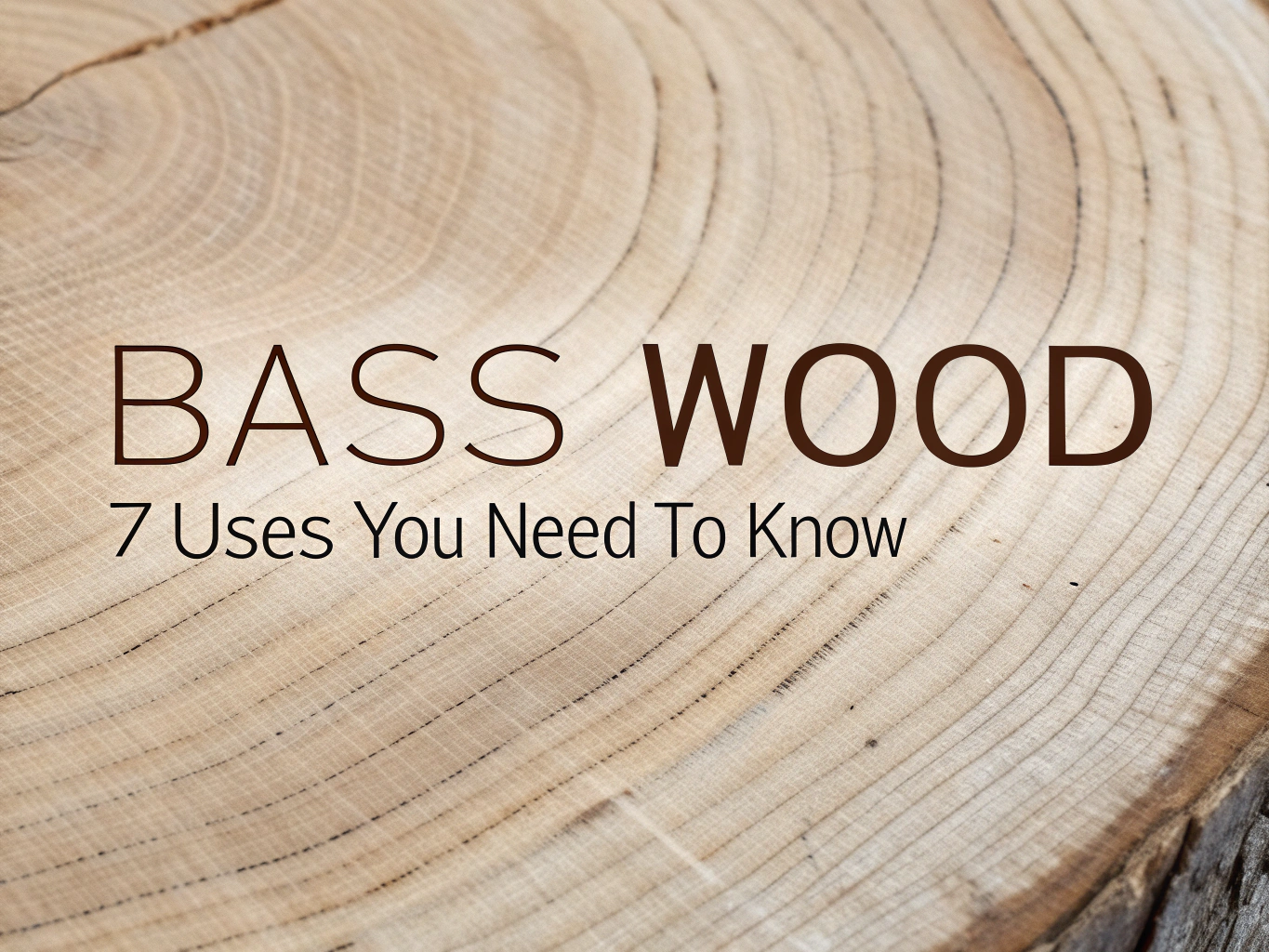
| Basswood | 410 | Carving practice, hidden parts | Too soft for tops |
For more context on hardness and why it doesn’t equal “quality,” read wood hardness scale along with types of wood.
How to choose wood for furniture
Key takeaway: Pick wood like a system: durability target, grain/porosity, color shift, budget, and sourcing. This prevents the classic mistake of picking by looks alone and ending up with dents, blotch, or warped panels.
Durability needs
Start with the abuse level: kids, pets, frequent entertaining, and daily wiping demand dent resistance and a decent topcoat. If the piece is decorative, you can prioritize figure and color over hardness.
Grain and texture
Open-grain woods like oak can telegraph texture through finish; some people love feeling the grain ridges, others want dead-flat gloss. Decide early, because grain filling adds work and cost.
Color and aging
Many woods shift: cherry darkens; walnut can lighten; some exotics brown out under UV. If you’re matching an existing piece, test in your room’s light and compare against a simple color reference (colors of wood).
Cost and availability
Availability changes by region and board width. A wood can be “cheap” in theory and expensive in practice once you need wide clear boards for door fronts or tabletops.
Sustainability priorities
Sustainability is part sourcing and part longevity. A slightly pricier wood that lasts decades can be a better call than a cheap top that dents in a year and gets replaced.
| Goal | Good wood picks | Why it works | Common mistake |
|---|---|---|---|
| Family-proof dining table | White oak, hard maple | Wear resistance + stable joinery | Using pine with a thin finish |
| Modern, light-tone cabinet | Maple, birch plywood | Clean grain + stable panels | Using solid wide panels that cup |
| Luxury dark statement piece | Walnut, mahogany | Natural color depth | Over-staining walnut to “go darker” |
| Painted built-ins | MDF, poplar | Very smooth paint | Skipping primer and getting edge swell |
Finishing and maintenance by wood type
Key takeaway: Finish success is mostly prep and compatibility. Match the finish to the wood’s porosity and oil content, and plan for repairs like water rings and scratches before they happen.
Oil finishes
Oil makes walnut look deep and natural and feels warm to the touch. The risk is using oil alone on a dining top; it can look patchy in the hand-contact zones unless you refresh it regularly.
Stain results
Stain behaves differently by species: oak takes pigment well; maple and pine can blotch; cherry can go muddy if you force a dark stain. A pro move is to stain-test on sanded offcuts and label grit level so your sanding schedule stays repeatable.
Protective topcoats
Topcoats decide daily performance: water resistance, heat resistance, and scratch visibility. Lower gloss hides scratches; higher gloss shows them but can look more formal and crisp.
Repair and refinishing
Repair is easier on stained hardwoods than on painted MDF edges. Keep matching stain markers or tinted wax for quick fixes, and don’t wait—fresh dents steam out better than old compressed fibers.
Sustainable and eco-friendly wood choices
Key takeaway: Sustainability comes from certified sourcing, smart engineered panels, and long service life. Fast-growing materials help, yet they still need the right finish and edge protection to prevent early failure.
Certified sourcing
Certified wood reduces the risk of buying illegally harvested material. Ask for chain-of-custody paperwork when the species is commonly linked with sourcing concerns.
Fast-growing materials
Fast-growing picks like bamboo and some plantation species can reduce pressure on slow-growing forests. They still need stable construction; wide solid panels can move just like any other wood.
Engineered wood notes
Plywood and other engineered panels often beat solid wood for cabinet boxes because they resist seasonal cupping. Start with types of plywood, then compare cores like Baltic birch and cabinet-grade plywood.
Carbonized bamboo
Carbonized bamboo gives a deeper tone, but some products trade a bit of hardness for color during processing. Test for denting where you’ll use it (desk vs shelf) and seal edges carefully to prevent moisture uptake.
Limitations and trade-offs by wood type
Key takeaway: Every wood has a downside. The trick is choosing a downside you can live with, then building and finishing in a way that reduces that risk.
Movement and warping
Movement happens with humidity swings: tops expand across the grain, doors can bind, and wide panels can cup. Use frame-and-panel construction or plywood where stability matters, and allow floating panels so the finish doesn’t crack at the seams.
Porosity and spills
Porosity changes how spills behave. On open-pore woods like oak, unsealed pores can trap dark liquids, leaving tiny peppered dots that don’t sand out without getting aggressive and reshaping the surface.
UV color shifts
UV light changes wood color. Cherry darkens; some exotics brown; walnut can lighten, and rugs create hard lines. Use UV-inhibiting finishes where it matters and rotate decor during the first year.
Hardware holding
Hardware holding depends on fiber strength and density. MDF and particle board can strip easily at hinges and drawer slides unless you use proper inserts, confirmat screws, or move up to plywood for the box.
Lessons learned in practice: what real furniture use teaches you
Key takeaway: Most failures come from mismatched wood + design + finish, not from the species itself. The fastest wins come from sealing the right surfaces, allowing movement, and avoiding beginner traps like blotchy stains and stripped screws.
Pine tabletops look charming on day one, then the first dinner party happens: grit under a plate makes tiny crescent dents, and you can feel them as shallow ripples when you wipe the surface with a damp cloth. The workaround is either a harder species or a texture-forward finish (wire-brushed, low sheen) that makes dents read like character, plus a thicker, repairable topcoat.
Maple surprises people during finishing. After sanding, it can feel silky smooth, yet a power sander can leave heat burn that shows up as gray-brown shadows under clear coat. Fix it by slowing down, swapping to sharp abrasives, and wiping with mineral spirits to reveal hidden marks before you commit to finish.
Oak frustrates beginners because its pores act like tiny cups. If you apply stain and jump straight to topcoat, the surface can look like it has micro dimples or “sinkholes” after the finish cures. Grain filler (or a pore-filling sealer schedule) is the difference between a smooth dining top and one that still feels textured after three coats.
Walnut and cherry both punish glue mess. A little squeeze-out that you don’t fully remove can seal the wood and cause light patches that pop once oil hits—those blotches look like fingerprints frozen into the piece. A pro habit is to let squeeze-out gel, then pare it clean with a sharp chisel instead of smearing it with a wet rag.
Engineered panels fail in predictable ways: MDF swells at edges when water gets in, and particle board strips at hinges if you over-tighten. The fix is edge banding, sealing raw edges, and using proper fasteners (inserts/confirmat screws) or stepping up to cabinet-grade plywood for high-stress joints (cabinet-grade plywood).
Common misconceptions and costly mistakes
Key takeaway: Most expensive mistakes come from labels and assumptions: “softwood is trash,” “harder is always best,” and “all oak matches.” Fix those beliefs and your buying and building choices get much easier.
“Softwood means unusable”
Softwood can work great in the right place. Use it for painted pieces, rustic designs, and internal framing—then protect high-wear surfaces with better species or tougher finishes.
“Harder is always better”
Extreme hardness can mean more tear-out, more splinter risk, and more tool wear. For many homes, oak or maple beats ultra-hard exotics because repairs and refinishing are simpler.
“All oak is the same”
Oak varies by red vs white, cut type (plainsawn vs quartersawn), and finish schedule. If you’re adding onto an existing set, you must match the cut and the finish sheen, not just the species name.
“Exotic means superior”
Exotic woods may look stunning, yet they can be oily, splintery, and harder to source responsibly. If the builder can’t explain finish compatibility and sourcing, that’s a red flag.
Sourcing and brand cues for buyers
Key takeaway: Ask the right questions and you’ll avoid veneer tricks, weak cores, and mystery finishes. Material transparency matters more than a fancy product name.
Amish furniture considerations
Amish-made furniture often offers solid hardwood options and repairable finishes, but the label alone doesn’t guarantee build quality. Ask what the drawer boxes are made from, what joinery is used, and whether panels are solid wood or veneered for stability.
Veneer and CenturyPly notes
Veneer is not automatically “cheap.” A good veneer over a stable core can outperform solid wood in wide doors and side panels, as long as the core is quality and edges are sealed. For a consumer-facing overview of furniture wood types and panels, see centuryply.com.
If you want to evaluate plywood choices for furniture, compare panel types like maple plywood and lightweight options like luan plywood.
What to ask sellers
- Is it solid wood, veneer over plywood, or veneer over MDF/particle board?
- What topcoat is used (conversion varnish, lacquer, polyurethane, oil + wax)?
- Are tabletops solid planks or veneered for stability?
- Is the wood kiln-dried and what’s the target moisture content?
- Can you get matching parts later (leaves, replacement doors, touch-up kits)?
Quality red flags
- Thin veneers on high-wear edges without edge banding
- Swollen corners on MDF/particle board near sinks or entryways
- Loose hardware already wobbling on the showroom floor
- Finish that feels rubbery or stays tacky in warm rooms
Strategic outlook: trends in furniture woods
Key takeaway: Expect more engineered cores, more transparency about sourcing, and more interest in fast-growing alternatives like bamboo. Premium woods won’t disappear, yet practical performance and repairability are taking a bigger role in buyer decisions.
Sustainability demand
Sustainability pressure is pushing brands toward certified lumber, plantation-grown stock, and smarter panel use. That usually means more veneered construction for wide, stable surfaces and fewer solid-wood “slab everything” builds.
New species adoption
New species show up when staples get constrained. Watch for more acacia and rubberwood in ready-to-ship furniture, plus hybrid builds that mix hardwood frames with stable panels (acacia wood, rubberwood furniture).
Premium vs practical shift
Practical builds are gaining ground: durable finishes, stable cores, and easier repair matter to households that keep furniture longer. Premium buyers still pay for walnut, cherry, and mahogany, but they also ask for finish specs and care guidance, not just the species name.
Good furniture wood choices come from matching species, construction, and finish to real daily wear—not from picking the hardest or most expensive board.
Shop-floor rule of thumb
For deeper supporting guides inside this topic cluster, reference types of wood, wood grain pattern, laminated wood, and project-friendly stock like butcher block wood.
FAQs
What Is The Best Type Of Wood For Furniture?
Solid hardwoods like oak, maple, and walnut are the best overall choice for long‑lasting furniture.
They offer a strong core, attractive grain, and good resistance to everyday wear, so pieces stay useful and appealing for years. Choose species and finishes based on budget and the look you want; engineered veneers can save cost while keeping the hardwood appearance.
Is Hardwood Always Better Than Softwood For Furniture?
Hardwood is not always better than softwood for every furniture project.
Hardwoods like oak and walnut are generally stronger and more wear‑resistant, but softwoods such as pine or fir can be easier to shape, lighter, and more affordable. Decide based on the item’s purpose, load demands, finish, and your budget rather than assuming one class is always superior.
What Is The Most Durable Wood For A Dining Table?
Dense, close‑grained hardwoods such as white oak, hard maple, and hickory are among the most durable choices for dining tables.
They resist dents and heavy use while taking finishes well, which helps prevent staining and surface damage. For extreme durability, opt for thicker tops, quality finishes, and proper maintenance rather than relying on species alone.
How Do Janka Hardness Ratings Translate To Real-Life Wear?
Janka hardness ratings measure how resistant a wood species is to denting but don’t tell the whole story about wear.
Higher Janka numbers usually mean better dent resistance, yet real‑world durability also depends on finish, board thickness, joinery, and how the furniture is used. Use Janka as one useful reference among several factors when choosing wood for high‑traffic pieces.
What Wood Is Best For Budget-Friendly Furniture That Still Lasts?
For budget‑friendly furniture that still lasts, consider affordable hardwoods like birch or ash, or stabilized softwoods such as kiln‑dried pine.
These species balance cost and strength, and are widely available and simple to work with for DIY projects. Applying quality finishes, prioritizing solid joinery, and using protective hardware will significantly extend lifespan without large material costs.