
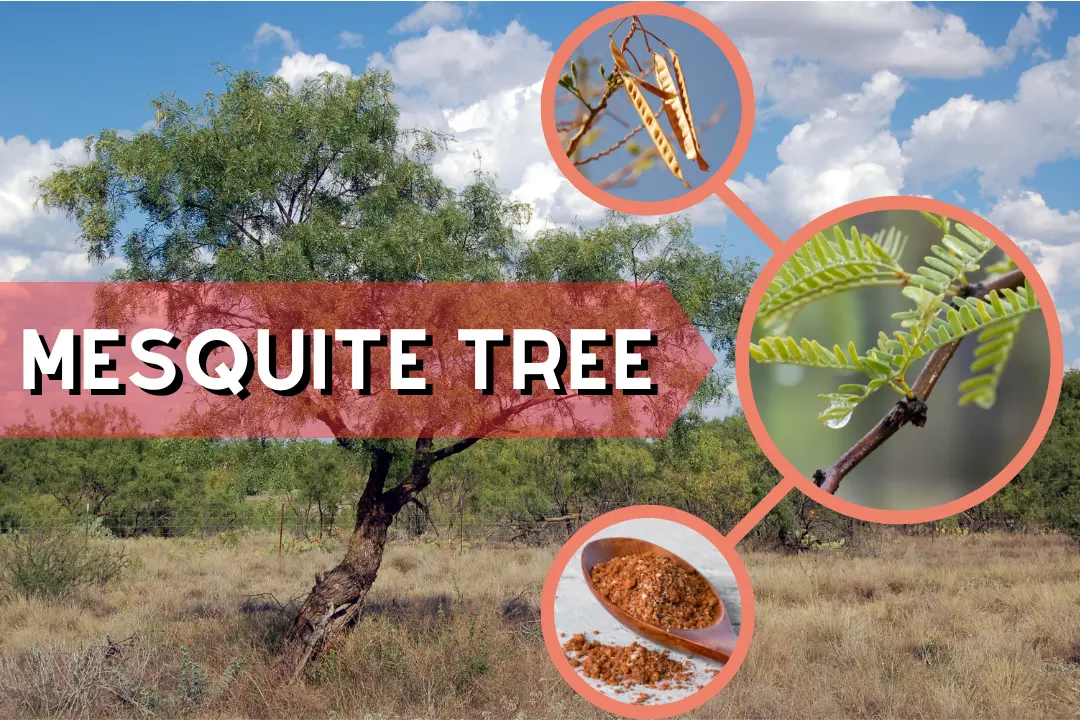

A mesquite tree is a drought-tough legume (genus Prosopis, now split with Neltuma) known for deep roots, airy shade, and sweet bean pods. It often grows wider than tall, fixes nitrogen, and can spread aggressively in grasslands if grazing and fire patterns shift.
Table of Contents
This guide covers honey mesquite tree identification, ecology, pod (“bean”) uses, and hands-on care so you can plant, manage, or harvest mesquite with fewer surprises and better results.
Mesquite tree overview
Genus and names
Most people say “mesquite tree” for several related desert legumes historically grouped in Prosopis; many North American species are now placed in Neltuma, which is why you’ll see mixed naming in older books, extension PDFs, and plant databases. If you’re buying seed or reading control guidance, always cross-check the scientific name on the label so you don’t end up with a species that’s invasive in your area or simply a poor match for your temperatures and soils; Wikipedia’s overview is a decent quick reference for names and pod basics, but it won’t warn you about local restrictions or mislabeling in the nursery trade (Mesquite).
Size and canopy form
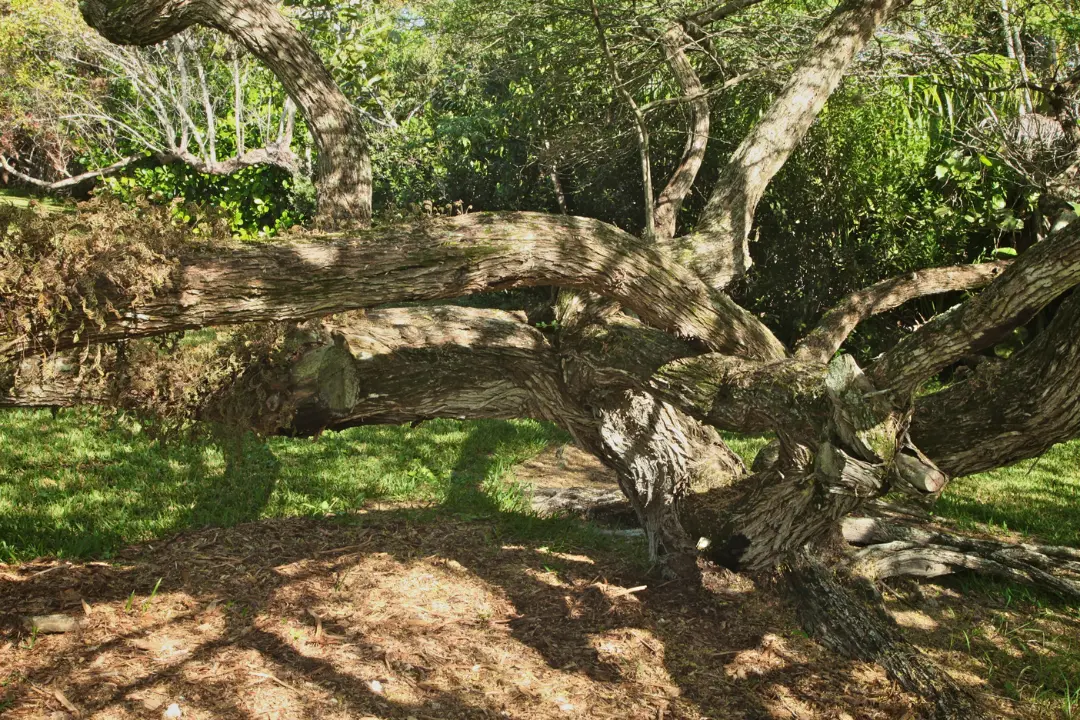
In deep alluvial soils, mesquite can reach 15–50 ft tall, but the more practical trait in yards and restoration sites is the canopy: it tends to sprawl into a wide, irregular umbrella that can be wider than the height. That shape creates a “dappled” shade you can feel on your skin—cooler than full sun, yet still bright enough that many desert natives survive underneath—while also dropping small leaflets and twigs that collect in gravel and decomposed granite like confetti after a windstorm.
Leaves, flowers, and pods
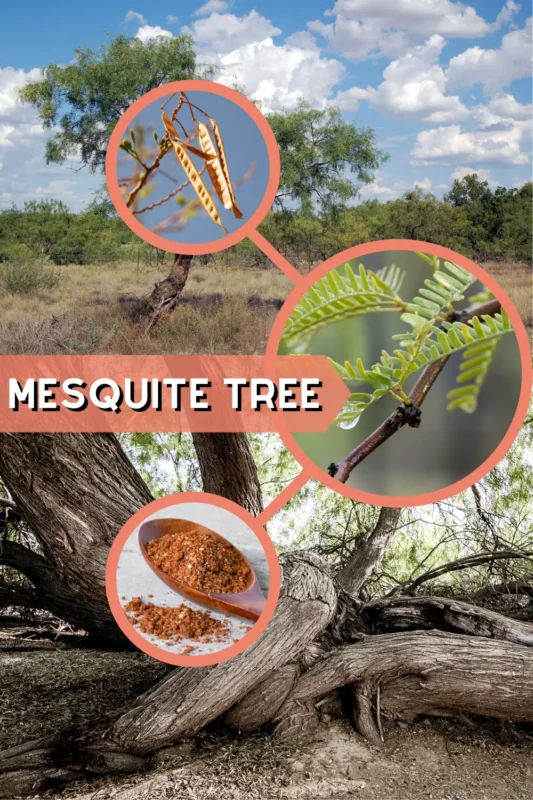
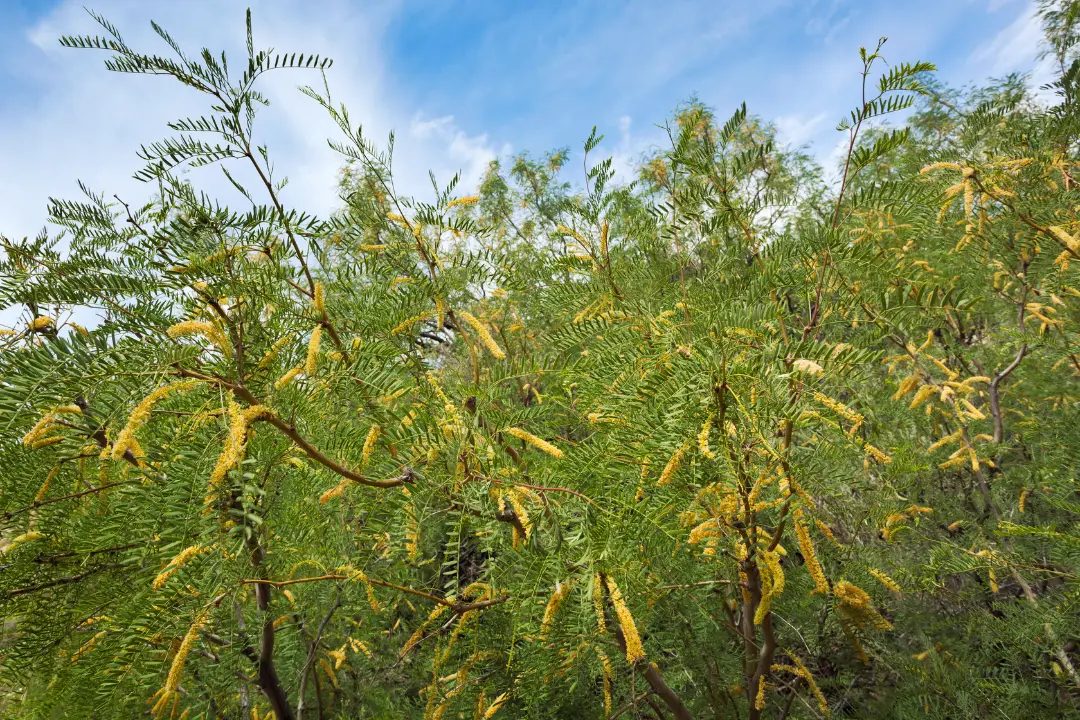
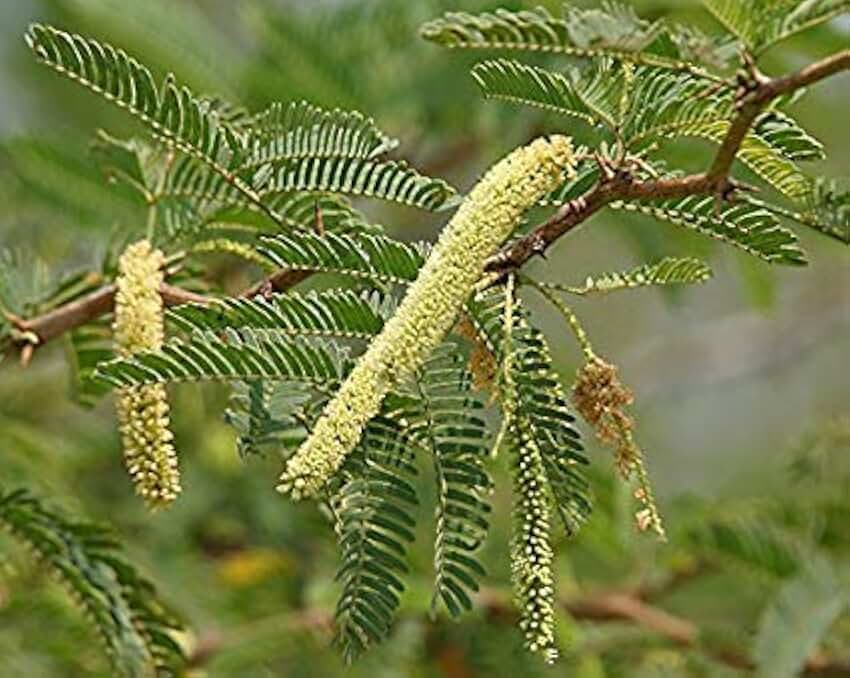
Mesquite leaves are bipinnate (a feather-on-feather structure) with many small leaflets that fold and flutter in heat and wind, which is part of why the tree holds up in dry air. In warm months, it pushes out creamy flower spikes that smell faintly sweet and dusty at close range, and those flowers become flat “bean” pods—often 2–6 in (5–15 cm) long—hanging in clusters that rattle against branches in gusts and later crunch underfoot when they dry.
Roots and drought tolerance
The big reason a mesquite tree survives brutal summers is its root strategy: deep roots can chase stored moisture while a broad network of shallow laterals grabs quick pulses of rain near the surface. That flexibility is a strength and a headache: it means mesquite establishes with less water than many shade trees, yet it can also compete hard with turf and shallow-rooted ornamentals if you plant it too close, and it can resprout stubbornly after cutting because the root system keeps energy reserves below ground.
Honey mesquite tree profile
Identification traits
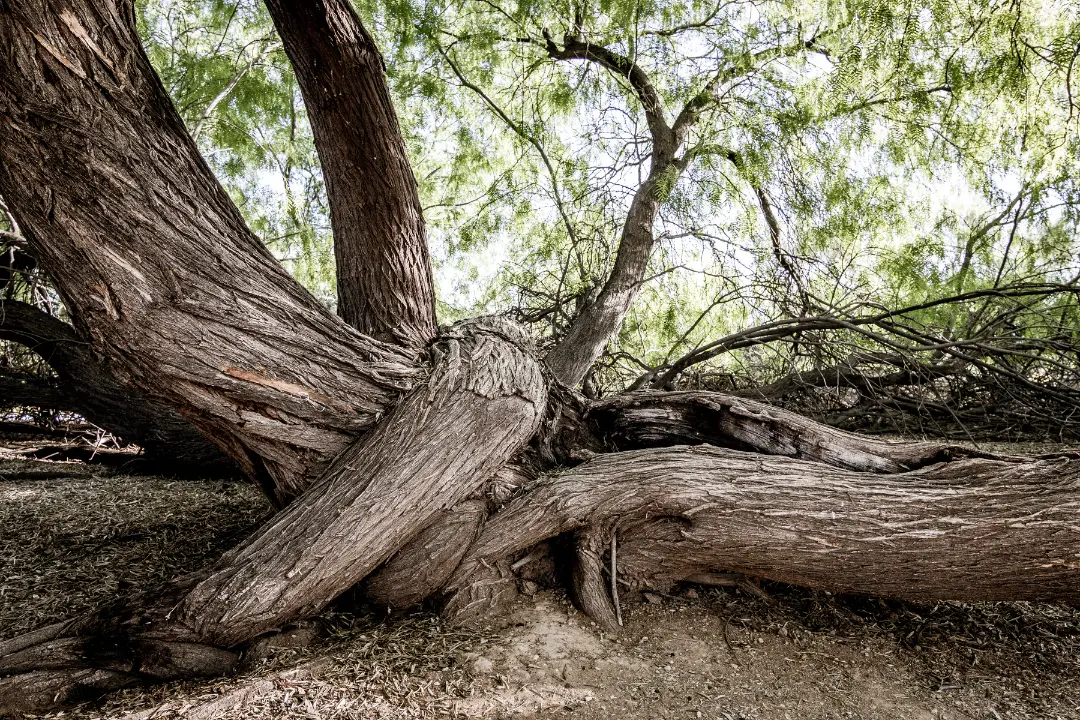
The honey mesquite tree (Prosopis glandulosa / Neltuma glandulosa) often shows a crooked trunk, drooping branch tips, and paired thorns at nodes (thorn length and density vary by site and age). Bark starts smoother and tan, then gets darker and more furrowed, while the blooms are pale yellow and the pods mature into tan, straw-colored strips that feel leathery when fresh and turn brittle as they cure on the tree.
Size and habit
In most real sites, honey mesquite lands in the 15–40 ft range and often grows multi-stem if it’s been browsed, top-killed, or cut in the past. That matters for management: multi-stem trees throw shade lower to the ground (nice for patios), but they’re harder to limb up for clearance and the low, thorny structure can be a flat-tire factory if you park or mow under it.
Pod production facts
Pod set swings wildly year to year based on rainfall timing, heat waves during bloom, and whether late frosts nip new growth, yet established trees can still be impressive producers: figures of roughly 100–1500 pods per tree are reported for mid-size honey mesquites (about 8–12 ft tall) in ecology summaries used by land managers (Mesquite ecology). If you want pods for milling or wildlife, plan on netting/tarping under the dripline during drop season—otherwise pods disappear fast to rodents and insects, or they mold after a humid monsoon pulse.
Grassland expansion basics
Honey mesquite expands in grasslands when seed dispersal rises (livestock love pods and spread seed) and fires become less frequent or less intense, letting seedlings survive long enough to develop fire tolerance. That shift changes forage and habitat structure: mature mesquite can suppress grasses under dense canopies, while scattered trees can also create “islands” of fertility that boost some understory plants—so the right density depends on whether your goal is grazing, wildlife cover, erosion control, or shade.

Honey Mesquite Seeds 10 Pack
- Easy to grow in arid and semi arid climates
- Drought tolerant once established for low maintenance care
- Produces sweet pods and attracts pollinators and wildlife
- Helps control erosion and improves soil by fixing nitrogen
- Includes viable seeds ideal for propagation and landscaping
 Buy on Amazon
Other mesquite species and varieties
Velvet mesquite
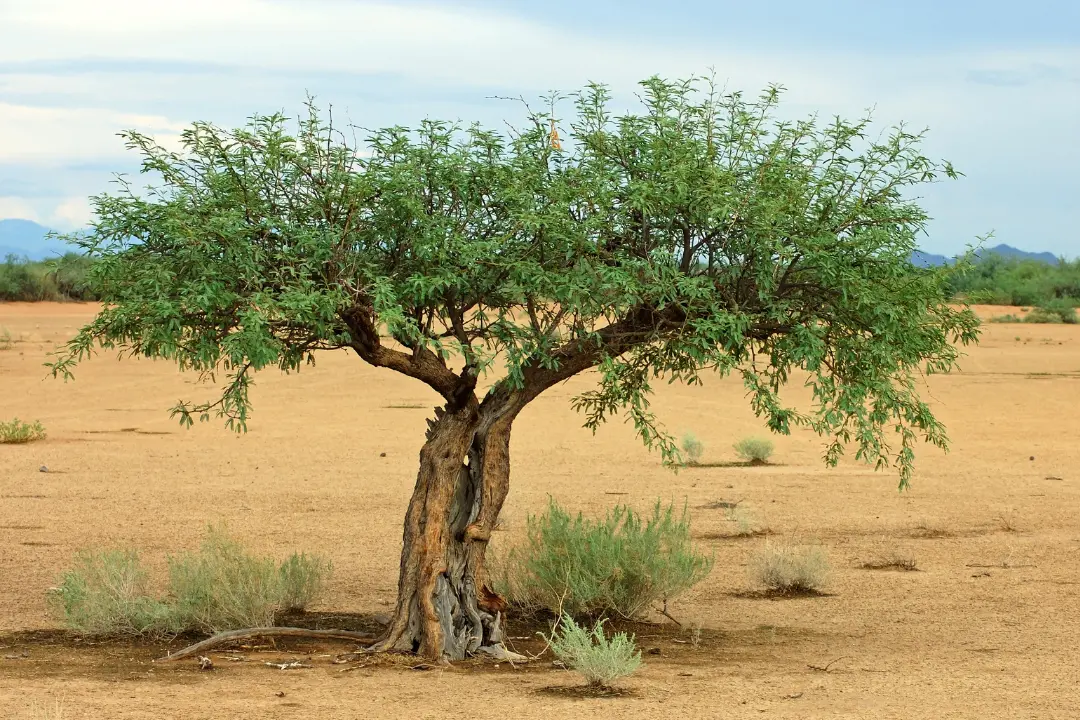
Velvet mesquite (Neltuma velutina) is a classic wash-and-desert-flat species in parts of Arizona and northern Mexico, known for slightly fuzzier gray-green foliage and a shaggier, darker look as it ages. Expect sharp thorns and a tree that can become substantial where it finds runoff; if you’re matching species to site, prioritize velvet mesquite for desert drainages and upland edges where brief floods recharge soil deeper than a typical irrigated yard bed (USDA Plant Guide: velvet mesquite).
Argentine mesquite
Argentine mesquite is commonly sold for fast shade in hot, dry cities and is often discussed alongside “Chilean mesquite” in nursery channels, which is where confusion and misidentification creep in. Before planting, verify whether your local area treats it as invasive or messy, and decide if pod drop is acceptable near drives and pools—those dry pods can skitter across concrete in wind, and the fine leaf litter finds every corner of a skimmer basket.
Thornless varieties
Thornless mesquite varieties reduce one of the biggest day-to-day problems: punctures during pruning, flat tires, and thorn splinters that sting like a hot needle when one snaps under the skin. Still, “thornless” isn’t always zero-thorn—young growth can show short spines—so I treat these as lower-risk trees rather than risk-free, and I keep clearance pruning conservative early so branches don’t droop into walkways later.

Thornless Argentine Mesquite Seeds 20 Pack
- Thornless variety for safer planting and handling
- Well adapted to hot, dry conditions and drought tolerant
- Fast growing for shade, windbreaks and restoration projects
- Produces pods that support local wildlife and pollinators
- Ideal seed packet size for landscaping and reclamation use
Buy on Amazon
Mesquite tree beans and pod uses
Pod size and seasonality
Mesquite tree beans (pods) commonly run about 2–6 inches long, forming after spring-to-summer bloom cycles depending on your heat and rainfall pattern. Harvest timing matters: pods that are fully tan and dry snap cleanly and smell faintly like sweet hay, while pods that feel cool and flexible still hold moisture and can mold in a sealed bucket within a day or two, especially during humid monsoon weather.
Edibility and nutrition
Many mesquite pods are edible and traditionally ground for food, and they’re also valuable wildlife and livestock feed—yet safety starts with ID and cleanliness. Avoid pods from trees next to busy roads (exhaust residue), sprayed rights-of-way, or dusty lots where animals frequent; sift out frass and webbing from bruchid beetles, and discard any pods that smell sour, show black spotting, or feel spongy because internal moisture can mean hidden mold.
Mesquite powder basics
Mesquite powder (often called flour) is made by drying pods thoroughly, then milling them; the sweetest batches usually come from consistently dry pods rather than ones that were rained on late. One common beginner mistake is milling pods that aren’t bone-dry: the grinder heats up, the powder clumps, and you can get a slightly fermented smell—if that happens, spread the milled material thin and dry it again, or scrap it and restart with drier pods.
Flavor and cooking uses
The flavor reads nutty-caramel, with a toasted sweetness that pairs well with coffee, cocoa, cinnamon, and chile, and you feel a fine, slightly sandy texture if you don’t sift after milling. In baking, I keep mesquite powder to a partial swap (for example, 10–25% of flour) because higher percentages can darken crumb, add noticeable sweetness, and change hydration—great for pancakes and cookies, trickier for airy breads.
Here are convenient options if you want to cook with mesquite without milling pods yourself.
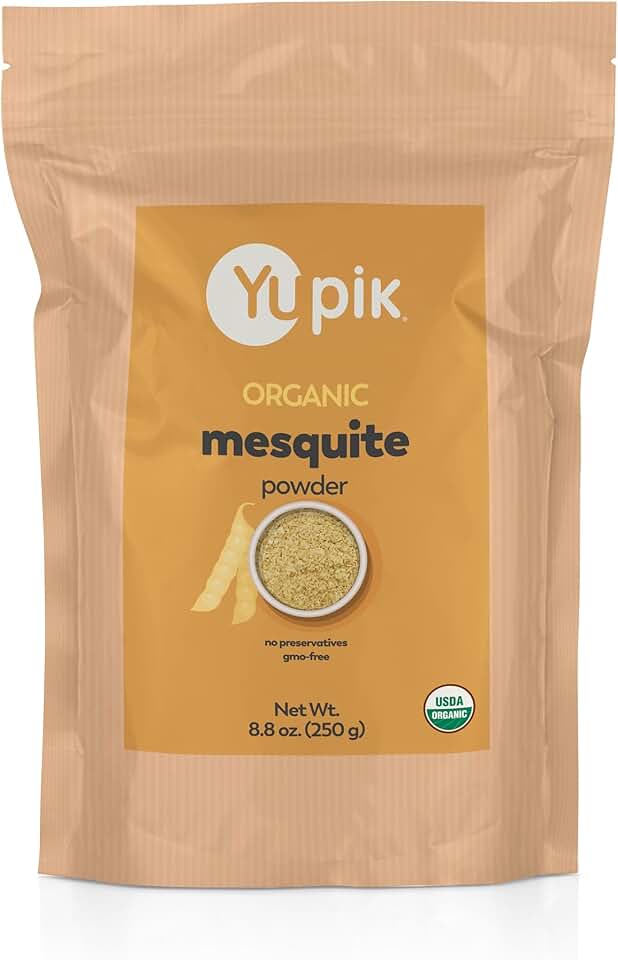
Organic Mesquite Powder
- USDA organic, non GMO, vegan and gluten free certification
- Natural sweetener with a nutty caramel flavor for recipes
- High in protein and fiber with low glycemic impact
- Versatile for smoothies, baking, marinades and beverages
- Easy to store and use as a nutritious pantry staple
Buy on Amazon
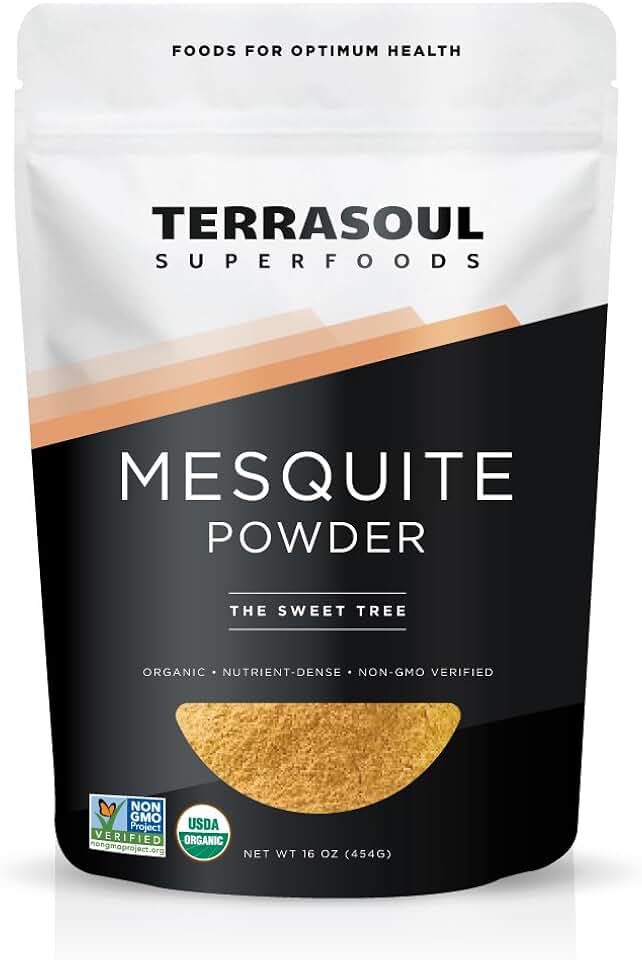
Terrasoul Organic Mesquite Powder
- USDA organic mesquite powder for clean label cooking
- Adds a nutty caramel note to smoothies, baking and beverages
- Rich in fiber and minerals to boost nutrition
- Vegan and gluten free friendly for diverse diets
- Resealable packaging for freshness and everyday use
Buy on Amazon

Organic Mesquite Powder 16 Ounces
- Certified organic and non GMO for clean ingredient needs
- Natural sweet and nutty flavor enhances smoothies and baked goods
- Good source of fiber and plant based protein for nutrition boosts
- Versatile for coffee, sauces and marinades in the kitchen
- Generous 16 ounce size for regular culinary use
Buy on Amazon
Growth and ecology facts
Growth cycle timing
Mesquite growth tends to come in pulses: leaf-out and twig growth ramp in spring, then wood growth and pod fill follow as heat settles in. That timing matters for pruning and irrigation—heavy pruning right before a heat spike can trigger a flush of soft shoots (often thornier) and make sunburn on newly exposed bark more likely.
Leaf area and canopy stats
Even with an airy look, a mature mesquite can carry a lot of leaf area, which drives water use and shade impact; ecology summaries report leaf area index around 1.0–1.5 in some rangeland contexts. That’s why understory outcomes vary: sparse stands can support grasses, while tight stands tip into litter buildup and reduced grass vigor, especially if grazing pressure keeps grasses from rebounding.
Fire interval history
Historically, many mesquite-occupied grasslands burned on a 7–10 year return interval, which helped keep seedlings in check and favored grasses that carried fire. Reduction in fine fuels from overgrazing and a shift away from frequent burns gave mesquite more “safe years” to establish, which is one driver behind the big grassland expansion described in fire ecology syntheses (FEIS: Prosopis glandulosa).
Fire mortality by age
Age (and root reserves) changes the fire story: very young plants can be killed outright, while older individuals often survive as “top-kill” and re-sprout from the base. That age effect is why one-off burns disappoint landowners hoping for permanent removal—if the stand has many plants past the vulnerable seedling stage, you’re usually managing structure and density, not eliminating mesquite.
Resprouting after damage
Mesquite can resprout aggressively after cutting, mowing, or fire because buds and reserves sit protected near the crown and roots. If you’re trying to convert a thicket back to grass, plan follow-up: repeated top removal without addressing regrowth timing often creates multi-stem shrubs that are thornier and harder to work around than the original tree form.
| Trait | What you’ll notice on site |
|---|---|
| Wide canopy | Dappled shade; lots of fine litter in gravel beds and gutters |
| Deep + shallow roots | Survives drought; competes with lawns and shallow ornamentals nearby |
| Pods | Seasonal drop; slippery/messy on hardscape; valuable food source |
| Resprouting | Returns after topping; needs strategy if you want long-term control |
| Thorns | Puncture risk; pruning and cleanup require thicker gloves and planning |
Growing and care basics
Site and climate fit
Pick a spot that matches mesquite’s heat-and-sun preference: full sun, reflected heat tolerance, and room for a broad canopy without fighting your roofline later. I like to mark the future dripline with a hose on the ground before planting—mesquite’s shade footprint is the point, but a tree planted too close to a driveway becomes a weekly pod-and-litter sweep, and thorns near sidewalks turn into a constant annoyance.
Soil and nitrogen fixing
Mesquite is a nitrogen-fixer, which can improve poor soils over time, yet that benefit doesn’t replace good planting practice: loosen the planting area wide, avoid burying the root flare, and don’t “pamper” with rich compost in a tight hole that creates a bathtub effect in clay. If you’re comparing nitrogen-fixing desert trees for a project, it can help to read across species like acacia wood to see how related legumes behave in similar water-limited settings.
Watering and establishment
New plantings need deep soak watering to push roots down; shallow, frequent sprinkling keeps roots near the surface and sets the tree up for wobble and heat stress later. A common misstep is overwatering in heavy soil: leaves can yellow and drop like the tree is “thirsty,” so people add more water and make it worse—check soil moisture 6–10 inches down before adding another soak, and let the surface dry between irrigations to keep oxygen in the root zone.
Pruning, thorns, and safety
Prune for clearance early, not harshly: remove crossing branches and gradually raise the canopy, but keep enough foliage to prevent sunscald on interior limbs. Treat thorns seriously—thin leather gloves often fail, and thorns that break off can leave a sharp ache for days—so I use thicker gloves, long sleeves, and I stage cut branches on a tarp so I’m not stepping on hidden spikes while carrying debris.
Landscape and restoration uses
Mesquite works as shade, windbreak, erosion control, and habitat, but best outcomes come from mapping your goal to the right form: thornless types near foot traffic, native types for wildlife projects, and careful spacing where grass recovery matters. If you also care about the material side—smoke, coals, and density—see honey mesquite for how the wood behaves compared with other fuelwoods.
- Yard shade: choose thornless where kids, pets, and bikes pass under the canopy
- Wildlife value: let some pods persist; clean up only near hardscape and paths
- Restoration: prioritize spacing and follow-up control so mesquite doesn’t outcompete grasses
- Erosion control: plant on contour, then mulch lightly to slow runoff without trapping moisture at the trunk
If you want seed or inputs for planting, these are practical options people commonly use for arid projects.
Juliflora Mesquite Seeds
- Hardy mesquite species suited to dry and sandy soils
- Fast growing and suitable for reforestation and windbreaks
- Produces edible pods that can feed wildlife and livestock
- Excellent for soil stabilization and erosion control
- Seeds packaged for easy propagation and landscaping projects
Buy on Amazon
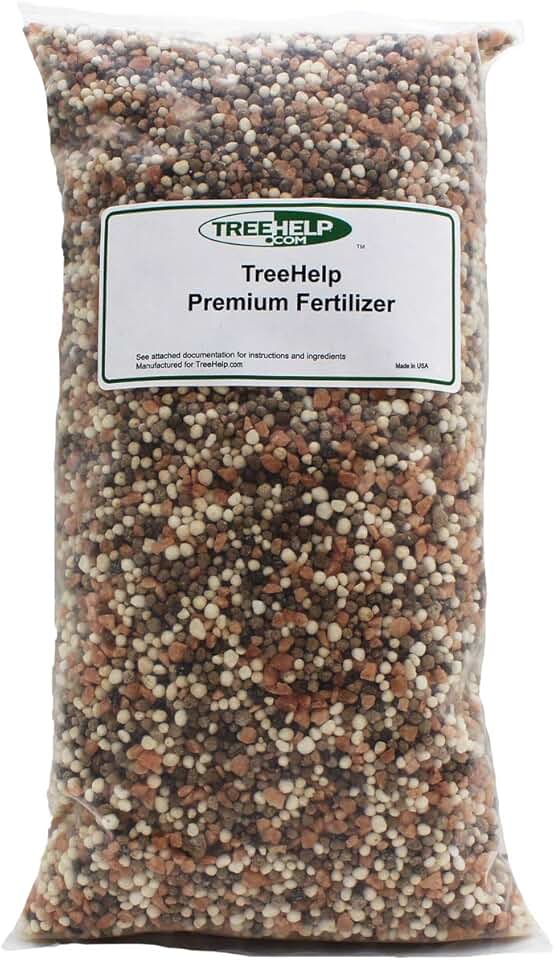
TreeHelp Mesquite Fertilizer
- Balanced nutrients formulated for mesquite and other trees
- Promotes strong root development and vigorous foliage
- Slow release formula reduces frequent feeding and supports steady growth
- Easy to apply granules for quick soil integration
- Improves resilience to drought and environmental stress
Buy on Amazon
Thornless Argentine Mesquite Seeds 20 Pack
- Thornless variety for safer planting and handling
- Well adapted to hot, dry conditions and drought tolerant
- Fast growing for shade, windbreaks and restoration projects
- Produces pods that support local wildlife and pollinators
- Ideal seed packet size for landscaping and reclamation use
Buy on Amazon
Lessons Learned in Practice
The first surprise people hit is mess management: mesquite doesn’t drop one big “leaf fall” like a temperate tree; it sheds little bits after wind, heat pulses, and pruning, and those tiny leaflets cling to brooms and end up braided into gravel. The workaround that actually feels livable is designing for cleanup—keep mesquite canopies off roofs, gutters, and pools, and use a wide mulch ring or open bed under the dripline so you can rake pods without fighting turf.
Next comes the thorn reality: a single thorn hidden in a fallen twig can pierce thin shoes, and the sting is immediate—sharp, hot, and deeper than you expect for something so small. If thorns are non-negotiable, pick thornless stock early (and still watch juvenile shoots), then prune to maintain clearance so you’re not forced to crawl into the canopy later where you’ll get snagged on spines and dead twigs.
People also misread yellow leaves and respond with more water; in compact clay that can suffocate roots and cause leaf drop that looks like drought stress. I’ve had better outcomes by switching to less frequent deep soaks, opening soil surface with light scarification outside the trunk zone, and avoiding thick mulch piled against the base, which can keep the crown too damp and invite decay.
Pod harvest is another friction point: pods can look dry while still holding hidden moisture, especially after a humid night, and a sealed bucket turns them musty fast. I spread harvest on a screen in shade with airflow until pods snap crisply and the sweet smell stays clean; any batch with sour odor gets tossed, since trying to “save” questionable pods is a fast path to off flavors and possible spoilage issues.
Finally, landowners trying to remove mesquite often create stubborn regrowth by topping once and walking away; the tree answers with multi-stem shoots that are denser and harder to handle. If permanent control is the goal, plan a multi-step program (timed follow-up on resprouts) rather than a single cut, and expect a trade-off: aggressive control can improve grass yield, but it can also reduce cover and food for wildlife that rely on pods.
FAQs
How Fast Does A Mesquite Tree Grow?
Mesquite trees usually grow moderately to quickly, gaining about 1 to 2 feet per year under good conditions.
Young trees often grow faster in warm, sunny sites with well-drained soil, while drought or poor soil slows growth. Mature trees usually slow and focus on spreading roots and branches rather than height.
Are Honey Mesquite Tree Thorns Dangerous?
Honey mesquite thorns can puncture skin and cause pain or infection if untreated.
They are small but sharp, so minor wounds are common; remove carefully and clean the area. Seek medical attention for deep wounds, signs of infection, or if tetanus protection is outdated.
How Many Pods Does A Honey Mesquite Tree Produce?
A mature honey mesquite tree can produce hundreds to thousands of pods each season depending on size and growing conditions.
Production varies with tree age, rainfall, and soil fertility; drought years yield far fewer pods. Local climate and pruning also influence pod counts.
Are Mesquite Tree Beans Edible For People?
Yes, mesquite pods (often called beans) are edible and have been used as a food source for centuries.
They are typically ground into a sweet, nutty flour or eaten roasted; however, some species or immature pods may be bitter. Always correctly identify the species and prepare pods properly before eating.
What Is Mesquite Powder And What Does It Taste Like?
Mesquite powder is a flour made from dried, ground mesquite pods and has a sweet, nutty, caramel-like flavor.
It’s commonly used in baking, smoothies, and savory rubs for a warm, toasty sweetness. The taste varies with species and roasting level, and it’s gluten-free with a subtle molasses note.



We have ember colored sap coming from our mesquite. What is that all about?
Hi Gail,
Thanks for your question! The ember-colored sap you’re seeing on your mesquite tree is likely a natural occurrence. Mesquite trees can sometimes produce sap that ranges in color due to environmental conditions or natural tree processes. This can happen if the tree is experiencing any stress, such as from changes in weather or minor injuries to the bark. As long as your tree looks healthy overall, with no signs of disease or pests, it’s usually not a cause for concern. If you see other problems, like leaf discoloration or wilting, it may be wise to talk to a local arborist. Hope this helps!